

Introduction
An unwanted vehicle can take up valuable space in a driveway, garage, or parking area long after it has stopped being useful. Perhaps the engine no longer starts, repair costs are higher than the car is worth, or an accident has left the vehicle too damaged to drive. Selling it may seem like another task to add to an already busy schedule, especially if the car cannot be moved without professional help. A local junk car pickup service can simplify the process by arranging to collect the vehicle from an agreed location. Instead of finding a buyer who can inspect and transport the car, arranging a tow truck yourself, and coordinating several separate steps, you can often handle the sale and removal through one service. For vehicle owners in Chicago, its surrounding suburbs, and Northwest Indiana, local junk car pickup can be a practical way to sell an unwanted car, truck, or SUV. Understanding how the process works, what information to prepare, and what to verify before agreeing to a sale can help you avoid delays and make a confident decision.
What Is a Local Junk Car Pickup Service?
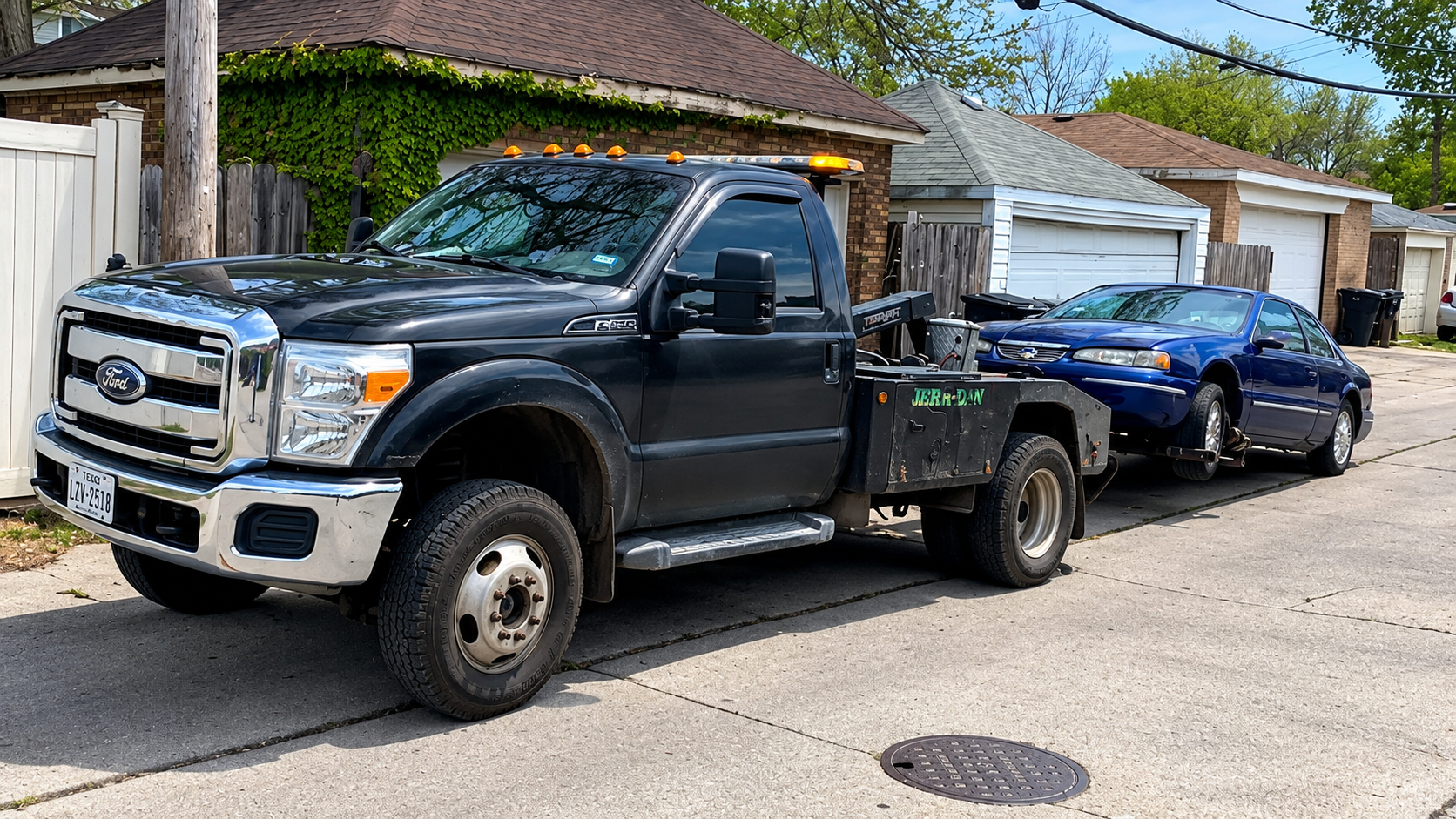
A local junk car pickup service buys unwanted vehicles and arranges to collect them from the owner's property or another agreed location. These services commonly accept vehicles that are old, damaged, wrecked, non-running, or no longer economical to repair. Some also purchase vehicles that still run but are no longer needed. The main convenience is that the seller usually does not need to drive the vehicle to a buyer. The pickup provider coordinates the collection, discusses the offer and paperwork, and explains how payment will be handled.
How Junk Car Pickup Differs From a Traditional Private Sale
Selling a used vehicle privately can involve creating advertisements, answering messages, scheduling inspections, negotiating with prospective buyers, and arranging test drives. If the vehicle is not roadworthy, the seller may also need to explain its condition repeatedly and find a buyer with suitable transportation. A junk car pickup service follows a more direct process. The seller provides vehicle details, receives an offer, confirms the pickup arrangements, completes the required paperwork, and transfers the vehicle.
Which Vehicles Can Qualify for Junk Car Pickup?
Junk car buyers often consider a range of vehicle conditions, including:
Old cars with high mileage or significant wear.
Vehicles with engine, transmission, or other mechanical problems.
Cars damaged in collisions.
Vehicles that have been sitting unused for an extended period.
Non-running trucks, SUVs, and passenger cars.
Drivable vehicles that owners no longer want.
Acceptance depends on the buyer's purchasing criteria, the vehicle's condition, its parts and materials, and the applicable ownership requirements. A car does not necessarily need to be completely destroyed to qualify for a junk car offer.
How Does Local Junk Car Pickup Make Selling Easier?
The biggest advantage of local junk car pickup is that it reduces the number of separate tasks a vehicle owner must manage. Instead of treating the sale, transportation, and handover as unrelated problems, the seller can coordinate them through a single process.
1. You Do Not Need to Drive the Vehicle
A vehicle that has been sitting unused may not be safe or possible to drive. It could have a dead battery, damaged tires, a faulty transmission, collision damage, or an engine that will not start. With a pickup service, the vehicle can be collected from an agreed location without requiring the owner to drive it to the buyer. This is especially useful for cars that have been parked in a driveway, garage, private lot, or other accessible area. Before scheduling collection, explain whether the vehicle starts, rolls, steers, and has inflated tires. These details help the buyer determine what equipment may be needed.
2. Pickup Can Reduce Transportation Expenses
Moving a non-running vehicle may require hiring a separate tow truck. Depending on the distance and the circumstances, arranging transportation independently can add cost and coordination to the sale. Some junk car buyers include towing or pickup in their offer. However, sellers should confirm this directly rather than assuming every service is free. Ask whether the quoted amount includes collection from your address and whether any special circumstances could result in additional charges. A clear agreement makes it easier to compare offers fairly. A slightly higher quote is not necessarily the better deal if transportation costs or other deductions reduce the final payment.
3. The Process Requires Less Time and Coordination
Private sales can stretch over several days or weeks while the owner waits for inquiries, arranges inspections, and negotiates with buyers. An unwanted vehicle may remain parked throughout that period. Local junk car pickup can reduce these steps. Once the vehicle information has been reviewed and an offer accepted, the seller can arrange a pickup appointment and prepare the necessary documents. The actual timing depends on availability, location, vehicle accessibility, and paperwork. Same-day pickup may be possible in some circumstances, but it should never be assumed without confirmation.
4. Damaged and Non-Running Vehicles May Still Have Value
A car that cannot be driven may still contain usable parts or recyclable materials. Depending on its condition, a buyer may assess components such as the engine, transmission, wheels, catalytic converter, body panels, and other parts, along with its scrap value. This does not mean every vehicle will receive the same offer. The vehicle's year, make, model, condition, completeness, local demand, and market conditions can all affect its value. Rather than paying to move a vehicle before finding out whether anyone wants it, a seller can request a quote first and ask how pickup will be handled if the offer is accepted.
5. Local Service Can Make Communication More Practical
Working with a buyer serving your area can make it easier to discuss pickup logistics and confirm the service area. The provider can assess whether the collection address falls within its coverage and explain the available arrangements. For sellers in Chicago, nearby suburbs, and Northwest Indiana, local service knowledge may also help identify practical pickup considerations, such as restricted parking, narrow alleys, apartment complexes, or access rules at private properties. Local availability does not automatically guarantee faster service or a better price. The seller should still confirm the pickup date, total offer, and terms before making a decision.
How Does the Junk Car Pickup Process Work?
Selling an unwanted vehicle is usually straightforward when you know what to expect. The exact process varies by buyer, but the following steps cover the main stages.
Step 1: Gather Your Vehicle Information
Start by collecting basic details about the vehicle. These typically include:
Year, make, and model.
General condition and known mechanical issues.
Whether the vehicle starts and can move.
Approximate mileage, if available.
Whether major components or parts are missing.
Your pickup location.
Be accurate about the vehicle's condition. If it has collision damage, missing wheels, a seized engine, or been sitting outside for years, explain that when requesting a quote. Clear information reduces the chance of a disagreement when the buyer sees the vehicle.
Step 2: Request a Quote
Contact the buyer and provide the details requested. The company may ask follow-up questions or request photographs to understand the vehicle's condition. An initial quote may depend on the information supplied. Ask whether the amount is firm or subject to inspection, and find out what could change the offer. If you contact more than one buyer, compare the terms rather than looking at the headline price alone.
Step 3: Confirm Pickup and Payment Terms
Before accepting an offer, establish the important details. Confirm the agreed amount, pickup location, scheduled date or time window, towing arrangements, payment method, and any conditions that could affect the transaction. Ask whether the offer includes pickup and whether the company anticipates any deductions. A reputable transaction should have clear terms that you can understand before handing over the vehicle. Do not feel pressured to accept an offer immediately if you need time to review the details.
Step 4: Prepare the Vehicle and Paperwork
Remove personal belongings from the cabin, trunk, glove compartment, and storage areas. Check under seats and in door pockets, and remove any personal documents or garage access devices. Gather the title and other documents required for the transfer. Requirements vary by state and situation, so confirm what is needed for your particular vehicle before pickup. If you have misplaced the title, tell the buyer before arranging collection. Do not assume that a vehicle can be legally transferred without the required proof of ownership.
Step 5: Complete the Handover
When the driver arrives, confirm that the vehicle and agreed terms match the arrangement. Complete the required paperwork and verify payment according to the agreed method before releasing the vehicle. Follow the applicable state requirements for signing over ownership and reporting the sale or transfer. Keep copies of relevant documents and any receipt or bill of sale provided. After the transaction, handle license plates and registration according to the rules that apply in your state. Do not assume that handing over the keys automatically completes every responsibility connected to the vehicle.
What Affects the Offer for an Unwanted Vehicle?
Convenience matters, but sellers also want to understand how a junk car's price is determined. There is no universal price for an unwanted vehicle because each car has a different combination of parts, condition, and material value.
Vehicle Make, Model, Year, and Condition
A vehicle's make, model, and year can affect demand for its usable components. Some models have parts that are easier to resell, while others may have limited demand. Condition matters too. A vehicle with reusable parts may be assessed differently from one with extensive fire damage, severe corrosion, or major components missing. The age of a vehicle alone does not determine its value.
Completeness and Mechanical Damage
A car with its engine, transmission, catalytic converter, wheels, and other major components intact may be worth a different amount from a stripped vehicle. Mechanical damage can also influence the buyer's assessment. Describe known damage honestly and mention any missing parts. The more accurate the initial information, the easier it is to understand the quote and avoid unexpected changes.
Scrap Metal and Parts Demand
Junk car offers can reflect the potential value of recoverable parts and recyclable materials. Scrap metal market conditions can fluctuate, so an offer made at one time may differ from one made later. Not every vehicle is valued exclusively as scrap. Depending on its condition, the buyer may consider whether some components can be reused or resold.
Pickup Access and Logistics
Pickup conditions can affect how a vehicle is collected. A car in an open driveway is generally easier to access than one blocked by other vehicles, parked in a narrow alley, or located in a confined garage. Tell the buyer about any access restrictions, locked gates, steep slopes, or limited clearance. If the vehicle cannot roll or steer, make that clear because the pickup equipment and arrangements may need to account for it.
How to Choose a Reliable Junk Car Pickup Service
A convenient pickup is useful only if the transaction is clear and the buyer follows through on the agreed terms. Before accepting an offer, take a few minutes to evaluate the service.
Ask for a Clear, Complete Offer
Find out exactly how much you will receive and what the quote includes. Ask whether towing is included, whether the offer could change after inspection, and whether there are any circumstances that could lead to a deduction. Be cautious if a buyer advertises a high price but cannot explain the conditions attached to it. A transparent offer is easier to compare with alternatives.
Check the Company's Reputation and Contact Information
Review the company's website, service area, contact information, and available customer feedback. Look for clear explanations of the selling process and pickup arrangements. A professional website can help you understand a business, but it is not proof by itself that every transaction will go smoothly. Consider the overall information available and ask direct questions if any part of the process is unclear.
Understand the Paperwork Requirements
Confirm what proof of ownership and identification may be required. Ask how the title transfer will be completed and what you need to do after the vehicle is collected. If the vehicle is inherited, jointly owned, financed, or titled in another state, additional steps may apply. Resolve these questions before pickup rather than waiting until the driver arrives.
Avoid Making Decisions Under Pressure
You should have enough information to decide whether the offer and terms suit your needs. If the buyer changes the price unexpectedly or introduces a fee that was not explained, ask for clarification before proceeding. Comparing two or more complete offers can help you evaluate the amount, pickup arrangements, timing, and paperwork requirements together.
Common Mistakes to Avoid When Selling a Junk Car
Even a simple vehicle sale can become frustrating if key details are overlooked. A little preparation can help prevent common problems.
Accepting a quote without confirming towing: Ask whether pickup is included and whether the quoted amount is subject to conditions.
Giving incomplete vehicle information: Explain major damage, missing parts, and whether the vehicle can roll or steer.
Forgetting personal belongings: Search the trunk, glove compartment, center console, door pockets, and under the seats.
Ignoring title requirements: Confirm the documents needed to complete the transfer legally.
Failing to document the transaction: Keep copies of transfer paperwork and payment records.
Overlooking license plate requirements: Follow the relevant state rules for removing or returning plates and handling registration.
Assuming the buyer handles every post-sale responsibility: Ask which steps the buyer completes and which remain your responsibility.
These precautions are useful whether you sell an old car, a damaged SUV, a non-running truck, or a vehicle that has simply become unnecessary.
Is Local Junk Car Pickup Better Than Selling Privately?
The right choice depends on your vehicle and your priorities. A private sale may be worth considering if the car is in good condition and you are willing to spend time advertising it, responding to inquiries, and arranging inspections. Junk car pickup may be more practical when the vehicle is damaged, cannot be driven, has expensive mechanical problems, or needs to be removed from your property. It can reduce the work involved in finding a buyer and arranging transportation.
Consider these questions before choosing:
Is the vehicle safe and legal to drive?
Would repairing it cost more than you reasonably expect to recover?
Do you have time to manage private-sale inquiries?
Can you arrange transportation if the vehicle does not run?
Does the junk car offer make sense after accounting for pickup and other terms?
The goal is not simply to sell the vehicle quickly. It is to choose a process that fits its condition, your schedule, and the responsibilities involved in transferring ownership.
Conclusion
A local junk car pickup service can make selling an unwanted vehicle easier by combining the offer, transportation arrangements, and vehicle handover into a more manageable process. It can be especially helpful for cars that no longer run, vehicles damaged in accidents, and unwanted trucks or SUVs that would be difficult to sell privately. To make the experience straightforward, provide accurate vehicle details, confirm the complete offer and pickup arrangements, prepare the required ownership documents, and understand your responsibilities after the sale. Compare the terms carefully instead of judging a buyer solely by the initial quote. For vehicle owners in Chicago, its surrounding suburbs, and Northwest Indiana, A Cash 4 Junk Cars offers a way to request a cash quote for unwanted vehicles and arrange pickup. Taking time to confirm the details before the vehicle leaves your property can help you complete the sale with greater confidence.
Frequently Asked Questions
1. How does junk car pickup work?
You provide information about the vehicle, receive a quote, agree on the price and pickup terms, and schedule collection. Before the vehicle is released, you complete the required paperwork and verify payment. The exact process depends on the buyer and applicable state requirements.
2. Can I sell a car that does not run?
Yes. Many junk car buyers purchase vehicles with dead batteries, engine problems, transmission failures, or other issues that prevent them from being driven. Explain the vehicle's condition when requesting a quote so the buyer can assess the pickup requirements.
3. Is towing included when selling a junk car?
Some junk car buyers include towing in their offer, while others may have conditions or additional charges. Confirm whether collection from your specific location is included and ask whether anything could reduce the amount you receive.
4. What documents do I need to sell a junk car?
You may need the vehicle title and other documentation required by your state and circumstances. Requirements can differ if the title is missing, the vehicle has multiple owners, or a lien remains on it. Confirm the exact requirements before scheduling pickup.
5. How is the value of a junk car determined?
The offer may depend on the vehicle's make, model, year, condition, completeness, reusable parts, scrap value, and current market demand. Pickup accessibility and the equipment required to collect the vehicle can also affect the transaction.
6. How long does junk car pickup take?
The timing depends on the buyer's schedule, your location, the vehicle's accessibility, and whether the required paperwork is ready. Some providers may offer same-day or next-day collection, but availability should be confirmed directly.
7. Can I sell a junk car without its keys?
Possibly. Some buyers can collect a vehicle without keys, but the lack of keys may affect access and the equipment needed for removal. Tell the buyer in advance and confirm that the vehicle can be collected under those conditions.
8. Should I remove my license plates before selling a junk car?
Follow the rules in the state where the vehicle is registered. Plate removal, return, cancellation, and registration procedures vary by jurisdiction. Confirm the applicable requirements before the vehicle is picked up.
9. Is selling a junk car privately better than using a pickup service?
A private sale may produce a better result for a desirable vehicle in good condition, but it often requires more time and coordination. A pickup service may be more convenient for damaged or non-running vehicles. Compare the expected payment, transportation costs, and effort involved.
10. What should I do before a junk car is picked up?
Remove personal belongings, gather the required paperwork, disclose the vehicle's condition, confirm the final offer and pickup arrangements, and verify payment terms. Keep copies of the sale documents and complete any required title, registration, and license plate steps after the transfer.
