

Can You Sell a Car That No Longer Runs for Cash in Chicago?
Introduction
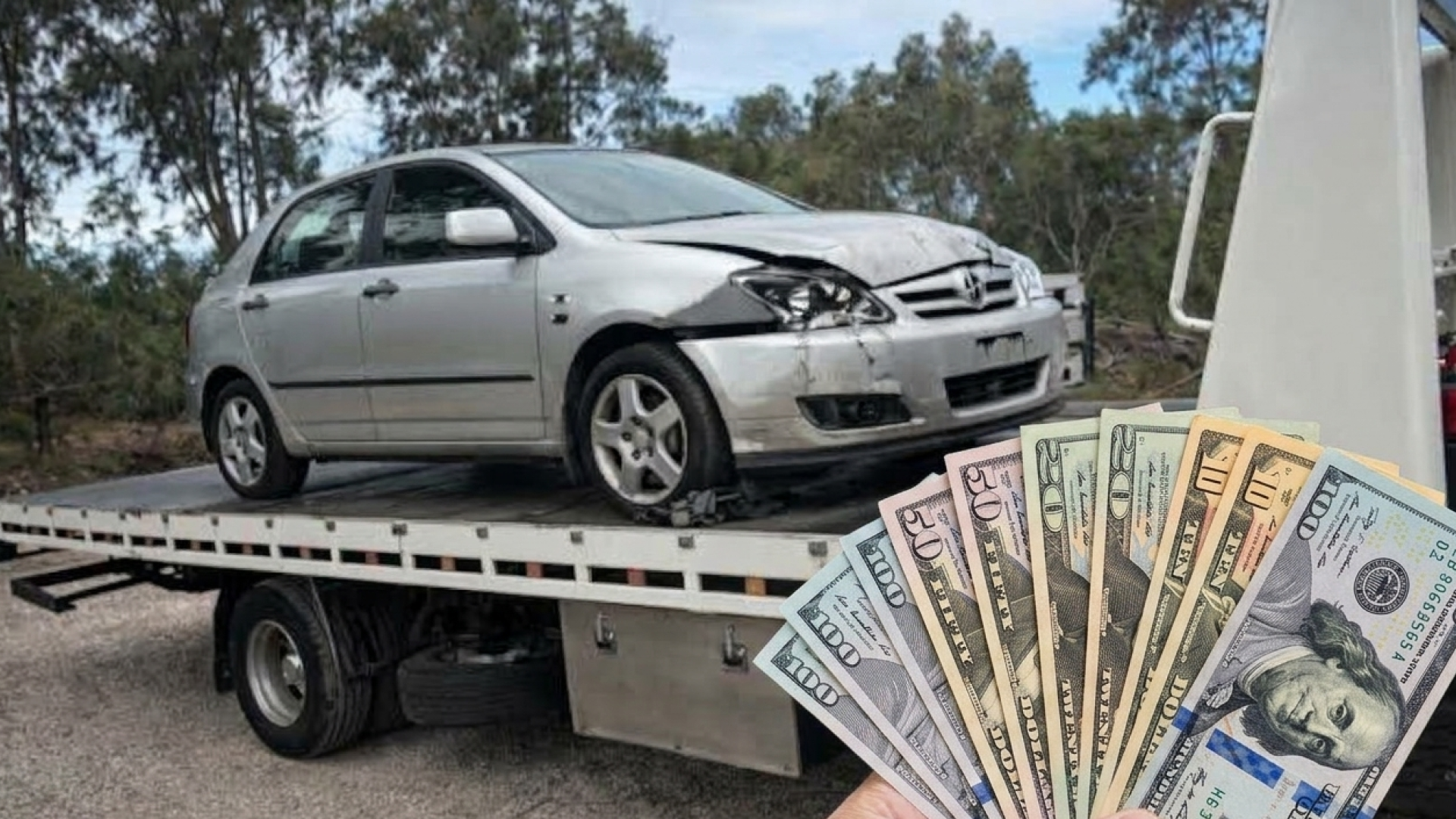
A car that no longer runs can quickly become a problem. It may be sitting in your driveway, taking up space in a garage, parked at a workplace, or occupying a spot you would rather use for another vehicle. If repairs are too expensive or the car has reached the end of its useful life, you may wonder whether anyone would actually pay cash for it.The good news is that a non-running vehicle can still have value. In Chicago, owners may be able to sell cars that will not start, have serious mechanical problems, have been damaged in an accident, or have simply become too old and costly to maintain. The vehicle's condition does not automatically make it worthless.The key is understanding what buyers look for, how a cash-for-cars transaction works, what paperwork may be required, and how to prepare a vehicle that cannot be driven.
Can You Sell a Car That No Longer Runs for Cash?
Yes, a car that no longer runs can often be sold for cash in Chicago.A vehicle does not necessarily need to be drivable to have resale value. A non-running car may contain usable parts, recyclable metal, valuable components, or repairable systems. Its overall value depends on factors such as its make, model, age, condition, completeness, demand for its parts, and local market conditions.Cash buyers and junk-car services commonly evaluate vehicles based on their current condition rather than expecting them to be ready for the road.This means you may be able to sell a vehicle even if:
The engine will not start.
The transmission has failed.
The battery is dead.
The vehicle has been sitting unused for a long period.
The car has accident damage.
The vehicle has severe body or mechanical problems.
The repair cost is greater than what you want to spend.
The car is old, unwanted, or no longer practical to maintain.
A non-running car should not automatically be treated as having no value. Getting an actual quote can give you a better idea of what the vehicle is worth in its current condition.
Why Would Someone Buy a Non-Running Car?
At first, it may seem strange that someone would purchase a vehicle that cannot be driven. However, a car is made up of much more than an engine that starts and wheels that turn.A non-running vehicle may still have components that can be reused, repaired, resold, or recycled. Depending on the vehicle, these can include body panels, wheels, interior components, electronics, catalytic-converter materials, suspension components, and other parts.
Parts Can Have Value
A vehicle with a failed engine may still contain many usable parts.For example, imagine a 15-year-old sedan with a transmission failure. The owner may not want to spend thousands of dollars repairing it. That does not mean every component of the car has suddenly become useless.Parts that remain in reasonable condition may have value to buyers who handle vehicles for parts or recycling.
Scrap Materials Can Also Matter
Vehicles contain substantial amounts of recyclable material. Metal, aluminum, and other materials can be recovered during vehicle processing.This is one reason junk-car buyers can purchase vehicles that owners might otherwise consider worthless.The amount a buyer is willing to pay varies significantly from one vehicle to another, so there is no universal cash value for a non-running car.
What Types of Non-Running Cars Can Be Sold?
There is no single definition of a "non-running car." A vehicle might have a minor problem preventing it from starting, or it could have extensive mechanical damage.Common examples include:
Cars With Dead Batteries
A dead battery is one of the simplest reasons a car may not start. If the vehicle has otherwise been maintained, it may still have substantial value.Tell the buyer that the battery is dead rather than assuming the entire vehicle is junk.
Cars With Engine Problems
Major engine problems can make a vehicle uneconomical to repair. A blown head gasket, seized engine, overheating damage, or internal engine failure may leave a car sitting unused.Such a vehicle can still potentially be sold.
Cars With Transmission Failure
Transmission repairs can be expensive, particularly on older vehicles. If the transmission has failed and the owner does not want to invest in repairs, selling the vehicle in its current condition may be an option.
Accident-Damaged Vehicles
A collision can leave a vehicle unable to move safely. Even if the engine still works, extensive structural, suspension, or body damage may prevent normal driving.Damaged vehicles can still have value through usable components and recyclable materials.
Long-Abandoned Vehicles
A vehicle that has been sitting for months or years may have deteriorated tires, a dead battery, rust, or other problems. It may no longer be practical to restore.Its condition should be described honestly when requesting a quote.
How Is a Non-Running Car Valued?
The value of a non-running vehicle is not determined by one factor.Buyers may consider several characteristics together, including:
Make and model
Vehicle year
Overall condition
Engine and transmission condition
Extent of body damage
Availability and condition of usable parts
Whether major components are missing
Location and transportation requirements
Two vehicles that look similar may receive different offers because their mechanical condition, mileage, completeness, or parts demand differs.For that reason, online estimates should be treated as general information rather than a guaranteed price.
Does a Car Have to Be Drivable to Get a Cash Offer?
No. A vehicle does not necessarily need to be drivable to receive a cash offer.When contacting a buyer, clearly explain that the vehicle does not run. You may be asked questions about the reason it stopped running, its overall condition, location, and whether important components are still present.Accurate information helps the buyer determine whether the vehicle can be picked up and how it should be handled.If the car cannot move under its own power, transportation becomes part of the transaction. Many junk-car and cash-for-car services offer vehicle removal as part of their process.
How Does Selling a Non-Running Car for Cash Work?
The process is generally straightforward, although exact requirements vary between buyers.
Step 1: Gather Basic Vehicle Information
Start with the information you have about the vehicle.Useful details include:
Year
Make
Model
Approximate mileage
Vehicle identification number (VIN), if available
General condition
Reason it does not run
Location of the vehicle
You do not need to repair the car before requesting a quote.
Step 2: Explain the Vehicle's Condition
Be specific about what is wrong.Instead of simply saying, "It doesn't run," explain whether the engine turns over, whether the vehicle was recently driven, whether it suffered accident damage, or whether it has been sitting for years.Honest information can make the quoting and pickup process easier.
Step 3: Receive a Quote
The buyer reviews the information and determines what they are willing to offer.A quote can depend on the vehicle's condition, parts value, recycling value, and other factors.Do not assume that every non-running vehicle is worth the same amount.
Step 4: Arrange Vehicle Pickup
If you accept an offer, the next step is usually arranging a pickup time.Because the vehicle cannot be driven, ask how removal will be handled. A professional vehicle-removal service may use appropriate towing or loading equipment.
Step 5: Complete the Sale
Before handing over the vehicle, confirm the paperwork and payment arrangements.Once the transaction is completed, make sure you follow the applicable Illinois requirements for transferring ownership and notifying the appropriate authorities.
What Paperwork Do You Need to Sell a Non-Running Car in Chicago?
Paperwork requirements can depend on the vehicle and the circumstances of the sale.In Illinois, the vehicle title is an important ownership document. If you are selling a vehicle, make sure the ownership information is handled correctly and that the title is completed according to state requirements.
Before completing a sale, check current requirements through the Illinois Secretary of State rather than relying on an outdated checklist.You should also remove personal items from the vehicle before pickup. Check the glove compartment, center console, trunk, door pockets, and under-seat areas.If you have questions about a missing title, lien, inherited vehicle, or another unusual ownership situation, verify the appropriate process before arranging the sale.
What If You Don't Have the Title?
A missing title can make selling a vehicle more complicated.Do not assume that a buyer can legally purchase the car without documentation simply because the vehicle is old or no longer runs. Requirements can vary depending on the circumstances.If your title has been lost, stolen, damaged, or is otherwise unavailable, contact the Illinois Secretary of State for current instructions on obtaining a replacement or resolving the ownership issue.If a lien appears on the title, that situation should also be addressed before the sale is completed.
Should You Repair a Non-Running Car Before Selling It?
Usually, the decision depends on the expected repair cost and the vehicle's condition.If the problem is minor and inexpensive, repairing it may make sense in some situations. But spending a large amount of money simply to make an unwanted vehicle run can work against your financial goal.Consider the following before authorizing repairs:
What exactly is wrong with the vehicle?
How much will the repair cost?
Are there other problems likely to appear soon?
What is the vehicle worth in its current condition?
What could it reasonably be worth after repair?
Do you actually want to keep the vehicle?
For example, spending several thousand dollars repairing an older vehicle may not be attractive if you already plan to replace it.Getting a cash offer for the vehicle as-is can give you another number to compare against the repair estimate.
How Much Can You Get for a Non-Running Car?
There is no reliable single price for every non-running car.A severely damaged older vehicle may have a very different value from a newer vehicle with a relatively minor mechanical problem.The biggest mistake is assuming that "non-running" automatically means "worth only scrap value." The opposite assumption can also be misleading. A vehicle that looks valuable from the outside may have serious mechanical or structural issues that affect its price.The practical approach is to describe the vehicle accurately and request a quote based on its actual condition.
Common Misconceptions About Selling Junk Cars
Several assumptions can make owners unnecessarily hesitant about selling a non-running vehicle.
"Nobody Will Buy a Car That Doesn't Run."
This is not necessarily true. Non-running vehicles can still contain usable parts and recyclable materials, and specialized buyers may purchase them for those reasons.
"I Have to Fix the Car First."
You generally do not need to repair a vehicle simply to ask whether someone will buy it.A buyer can evaluate the vehicle in its current condition.
"A Junk Car Has No Value."
A junk vehicle may have value even when it is no longer practical to drive. Its components and recyclable materials can still matter.
"All Non-Running Cars Are Worth the Same."
They are not. Vehicle type, age, condition, mileage, damage, completeness, and other factors can influence an offer.
How to Get the Best Experience When Selling a Non-Running Car
Getting a fair and straightforward transaction starts with good information.
Describe the Condition Honestly
Do not hide major mechanical or body problems. If the engine is seized, the vehicle has flood damage, or important parts are missing, disclose that information.
Have the Basic Information Ready
Having the year, make, model, mileage, VIN, and location available can make the initial conversation more efficient.
Ask About Pickup
A non-running vehicle needs a practical removal plan. Confirm who handles towing or loading and whether there are additional conditions associated with vehicle removal.
Confirm Payment Before Pickup
Understand how and when payment will be provided. If anything about the payment arrangement is unclear, ask before the vehicle is removed.
Remove Personal Belongings
Check the vehicle carefully before it leaves your property. Important documents, sunglasses, tools, chargers, and other personal items are easy to overlook.
Handle Ownership Documents Properly
Do not sign paperwork casually. Make sure the title and other required documents are completed correctly and retain records of the transaction when appropriate.
Is Selling a Non-Running Car Better Than Keeping It?
That depends on the owner's circumstances.Keeping a vehicle that no longer runs may make sense if you plan to repair it, have sentimental reasons for keeping it, or need it for a future project.Selling may make more sense when the vehicle is occupying valuable space, continuing to deteriorate, or no longer fits your needs.A simple way to think about the decision is to compare the cost of keeping and repairing the vehicle with its current value and your plans for it.For example, if an old vehicle requires major mechanical work, has been sitting unused, and is unlikely to become your primary transportation again, requesting an as-is cash offer may be worth considering.
What Should You Do Before the Tow Truck Arrives?
Once you have agreed to sell a non-running vehicle, preparation can make pickup easier.Use this checklist:
Gather the title and relevant ownership documents.
Remove license plates if required under applicable Illinois rules.
Make sure the pickup area is accessible.
Tell the buyer about obstacles such as a narrow driveway or underground garage.
Let the buyer know if the vehicle is locked or missing keys.
Confirm the agreed payment and pickup details.
Keep documentation related to the sale.
The more accurately you describe the pickup conditions, the fewer surprises there are when the vehicle is collected.
Why Local Knowledge Matters When Selling a Car in Chicago
Chicago is a large metropolitan area with dense neighborhoods, residential streets, apartment buildings, alleys, parking restrictions, and varying property-access conditions.Those details can affect how an inoperable vehicle is removed.A car parked in an accessible driveway is different from one located in a tight garage, behind another vehicle, or on a property with limited access. If the vehicle is being picked up from a Chicago neighborhood or a nearby community, provide accurate location and access information before scheduling removal.Local buyers serving Chicago and Northwest Indiana may also be familiar with the practical towing logistics involved in collecting unwanted vehicles in the area.
Key Takeaways
If your car no longer runs, you do not necessarily have to repair it before exploring your selling options.A non-running vehicle can still have value because of its parts, components, and recyclable materials. The amount depends on the individual vehicle and its current condition.Before selling, gather your vehicle information, describe the problems honestly, confirm the paperwork requirements, understand how pickup will work, and clarify payment arrangements.For Chicago vehicle owners, requesting an as-is quote can be a practical way to find out what the car is worth without committing to an expensive repair first.
Conclusion
A car that no longer runs does not automatically belong in a driveway or garage forever. Mechanical failure, accident damage, age, or long-term neglect can make a vehicle impractical to drive, but the vehicle may still have value.Selling a non-running car for cash typically starts with an honest description of its condition. From there, a buyer can assess the vehicle, provide a quote, and explain the process for removing it. The owner should then verify ownership paperwork, remove personal belongings, confirm pickup details, and complete the sale properly.If you have an unwanted vehicle sitting in Chicago or the surrounding area, the most useful first step is often simple: find out what it is worth in its current condition. You may not need to spend money repairing a vehicle that you no longer want.
Frequently Asked Questions
Can I sell a car that doesn't run in Chicago?
Yes. Non-running cars can often be sold to cash-for-car, junk-car, salvage, or other vehicle buyers. The offer depends on the vehicle's condition, age, make, model, parts, and other factors.
How much is a non-running car worth?
There is no standard price. A non-running car's value can vary based on its make, model, year, mileage, condition, damage, usable parts, and recyclable materials. The most accurate way to estimate its current value is to request a quote based on the actual vehicle.
Do I need to repair my car before selling it?
Not necessarily. You can ask for an as-is offer before paying for repairs. Compare the potential repair cost with the vehicle's current value and your plans for the car.
Can I sell a car with a bad engine?
In many cases, yes. A failed engine does not mean the entire vehicle has no value. Other components and recyclable materials may still have value, although the mechanical problem will affect the offer.
Can I sell a car that has been sitting for years?
A vehicle that has been sitting for a long time may still be sellable. Tell the buyer how long it has been sitting and describe any known problems, missing parts, rust, or other damage.
Can I sell a wrecked car that no longer runs?
Potentially. Accident-damaged vehicles may still have usable components or recyclable materials. The extent of structural, mechanical, and cosmetic damage will affect the vehicle's value.
Do I need a title to sell a junk car in Illinois?
A vehicle title is an important ownership document, and Illinois has specific requirements for transferring vehicle ownership. If your title is missing or there is a lien or another ownership issue, verify the current requirements with the Illinois Secretary of State before completing the sale.
Will someone tow away a car that doesn't run?
Many junk-car and vehicle-buying services offer removal for vehicles that cannot be driven. Before scheduling pickup, explain the vehicle's condition and location so the appropriate removal arrangements can be made.
Should I sell my non-running car or pay to repair it?
There is no universal answer. Compare the repair estimate, the vehicle's current condition, its likely value after repair, and whether you actually want to keep it. An as-is quote can provide a useful comparison before you spend money on repairs.
What information should I provide when selling a non-running car?
Start with the year, make, model, mileage, VIN if available, location, and a clear description of why the vehicle does not run. Mention major damage, missing components, title issues, or difficult pickup conditions so the buyer can evaluate the vehicle accurately.
